Current Education Systems Are Leaving People Skills Behind
Today's world rewards adaptability, collaboration, and emotional intelligence — yet our schools are still built around grades and test scores. High schoolers are conditioned to optimize for GPAs and college applications, leaving little room to reflect on who they're becoming as people.
In a fast-moving, innovation-driven economy where there are no final exams, the ability to work with others, communicate clearly, and lead with empathy matters more than ever.
People Skills bring us one step closer to the future we want...
where students are motivated to work on themselves
True success in an ever-changing world can't be measured by a single metric. When students are empowered to make their own choices, set meaningful goals, and take action based on their own values and interests, they build the self-direction needed to thrive in any environment — not just the classroom.
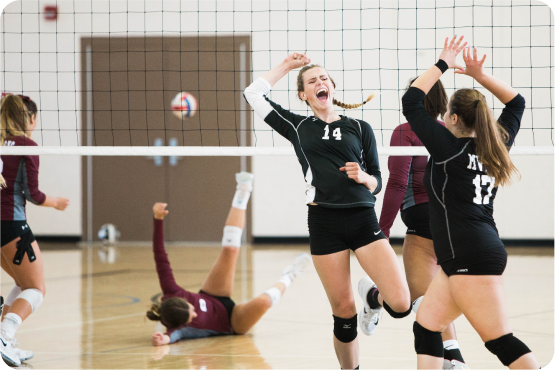
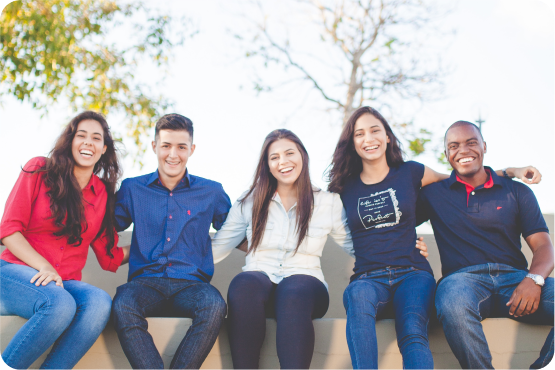
where we have shared experiences
Individual growth and community belonging aren't opposites — they depend on each other. When schools over-index on personalization, they risk eroding the shared values that build empathy and collaboration. When they ignore students' personal hopes entirely, school starts to feel like a factory. The sweet spot is designing experiences that honor both.
where students iteratively improve
Growth isn't a one-time event — it's a habit. When students are given the space to reflect on their strengths, identify areas to work on, and set actionable goals, they develop the self-awareness needed to keep improving over time. Reflection isn't soft; it's a skill that compounds.
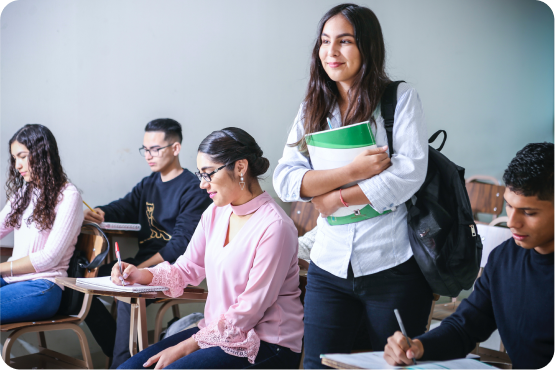
where learning is no longer a chore
Too much of what students do in school feels like something to survive and forget. What if it didn't have to? The real opportunity for educators and designers is to reimagine learning as something students actually want to show up for — not because they have to, but because it matters to them.
But real barriers stand in the way.

Reflection activities feel like homework — rigid, formulaic, and easy to dismiss

Educational games carry a stigma: students see them as uncool and feel forced into them

The education system is slow to change, weighed down by stakeholders and regulatory complexity

Teachers want to do more, but lack the support and tools to meaningfully shift the experience for students
We're here to help break through.
After 7 months of rigorous research with teachers, students, and domain experts, we identified 10 design heuristics for building experiences that genuinely motivate students to develop their people skills.
These heuristics give educators and administrators a practical toolkit for designing both in-class and out-of-class experiences that support holistic student development — helping young people build the interpersonal skills they'll need to navigate an innovation-driven world.